Memory of a Larger Mind
Interdisciplinary project, 2019–ongoing
Memory of a Larger Mind is an interdisciplinary project that gives form to the grief held in specific places, allowing it to transform. The project takes the form of paintings, sculptures, installations, cyanotypes, films, community events, and four books: Protocols: An Erasure (Ayin Press, 2025), Memory of a Larger Mind (Omnidawn, 2026), The Measure of Ana Springs (2026) and Light / Remains (forthcoming 2027). It began in 2019 and is ongoing.
To make this work, I travel to sacrifice zones: sites of layered historical and ecological violence — former concentration and internment camps, disappeared sacred sites, previously glaciated landscapes. I gather what I find there: stones, plants, bones, water.
These materials become natural pigments, made in community workshops open to everyone. The process is playful and exploratory — even workshops focused on emotionally complex processes (turning a plant that grew on a mass grave into paint, for example) are always full of camaraderie and laughter. Curiosity brings lightness, which brings new insights into violent pasts. New possibilities emerge.
The resulting pigments form palettes of place: collections of color that hold the changed memories of a site and its people. These pigments lead to art reflecting the history and future of these communities — used directly in paintings and installations, and also functioning as an archive, a reference library that informs the work.
The project traces a single logic through these places: the one that reduces living things, human and other-than-human, to instruments or obstacles. My own family history primed my attention to this: all four of my grandparents survived Nazi concentration camps. I was born with memories I did not live through firsthand.
But the postmemories this project works with are not only mine, and the sites are not only Jewish. Violence and resilience are shared inheritances. This project helps catalyze the regeneration in these places that is already underway.
Making color from places of harm is one way to insist on the aliveness of matter, the memory embedded in the earth, and the possibility — never final, always ongoing — of transformation.
Work in this project
Sites
Arctic & Alaska — Glacial Retreat
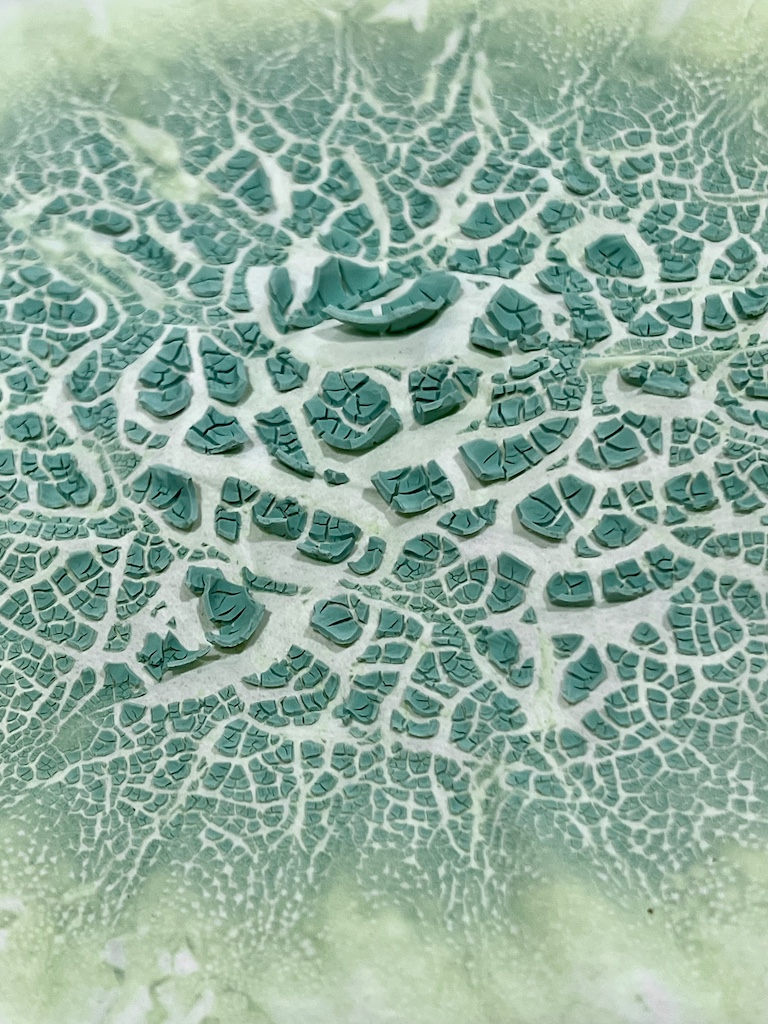
Kennicott Glacier & Mine
Alaska
A rapidly retreating glacier alongside a former copper mine — ecological loss and industrial extraction in direct proximity. Visited as part of the Wrangell Mountains Center residency (2022).
A rapidly retreating glacier alongside a former copper mine — ecological loss and industrial extraction in direct proximity. Visited as part of the Wr…
Related Projects
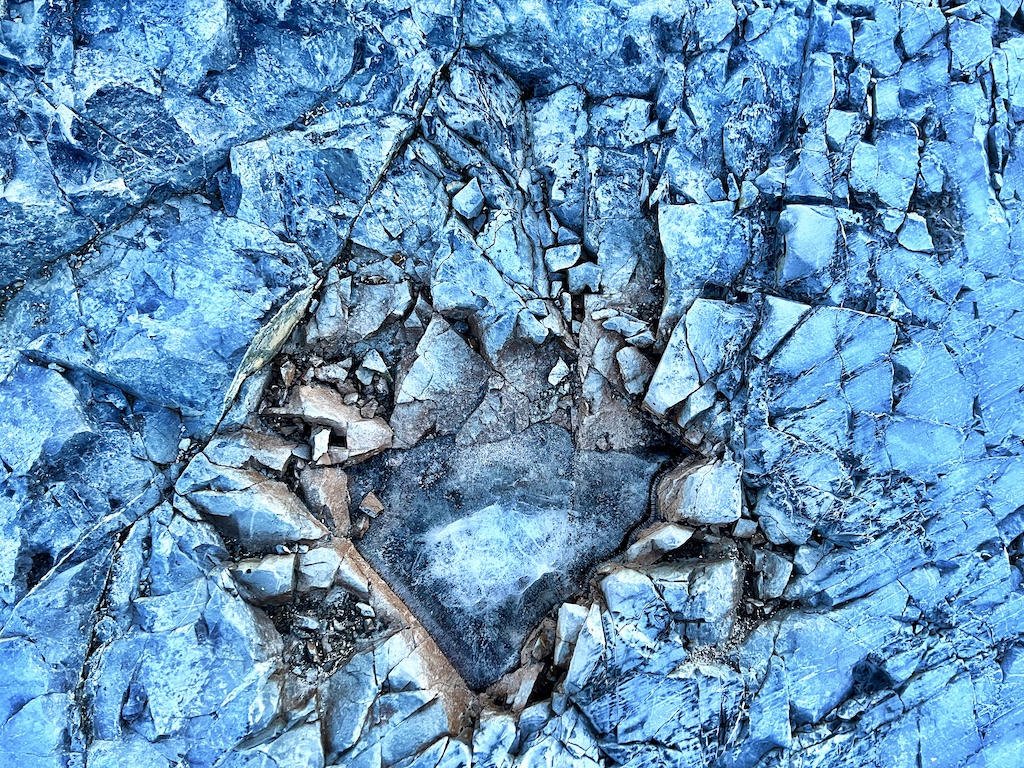
Svalbard / The Arctic Circle
Norway
High Arctic archipelago and surrounding ocean islands, visited as part of The Arctic Circle residency (2023). Site of research and photography. Rocks, bones, seaweed, and debris collected from places covered for eons by glaciers — now uncovered, like wounds with their scabs ripped off. Materials document accelerating ecological loss across an ocean rising faster than almost anywhere on earth.
High Arctic archipelago and surrounding ocean islands, visited as part of The Arctic Circle residency (2023). Site of research and photography. Rocks,…
Related Projects
Cascadia(the Pacific Northwest bioregion) — Water, Fire, Glaciers & Indigenous Dispossession
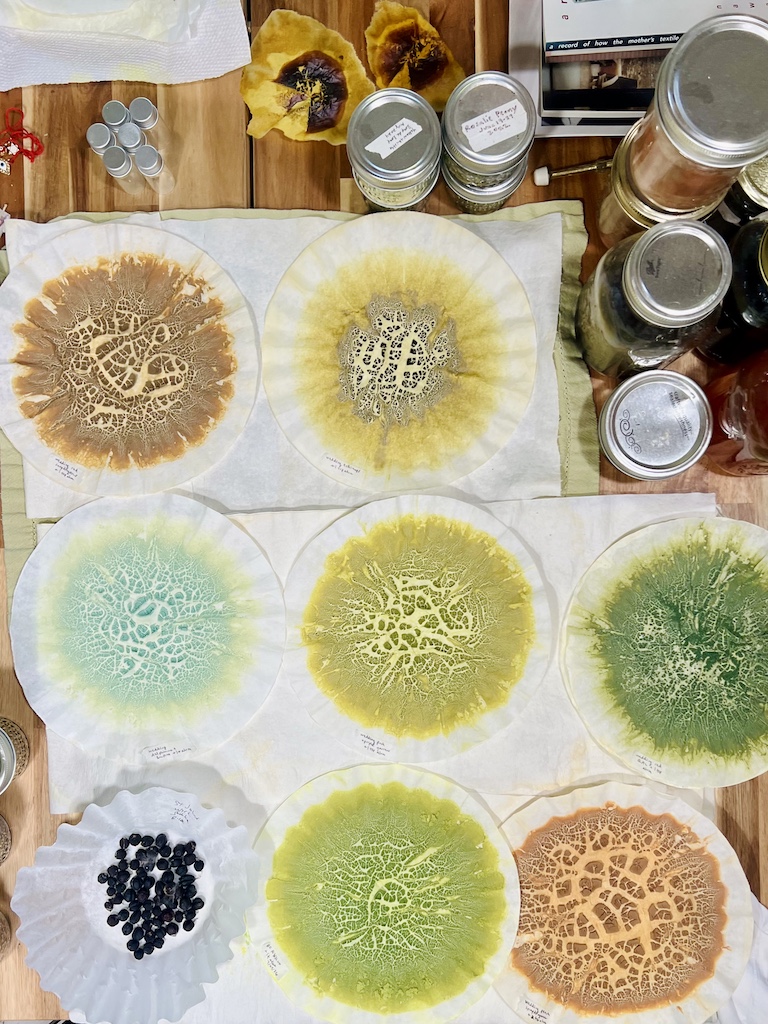
Ana Springs
Oregon
Source of the Ana River — the sole water source for Summer Lake, threatened by groundwater depletion. Site of feldmestn-inspired walks and ecological fieldwork.
Source of the Ana River — the sole water source for Summer Lake, threatened by groundwater depletion. Site of feldmestn-inspired walks and ecological…
Related Project
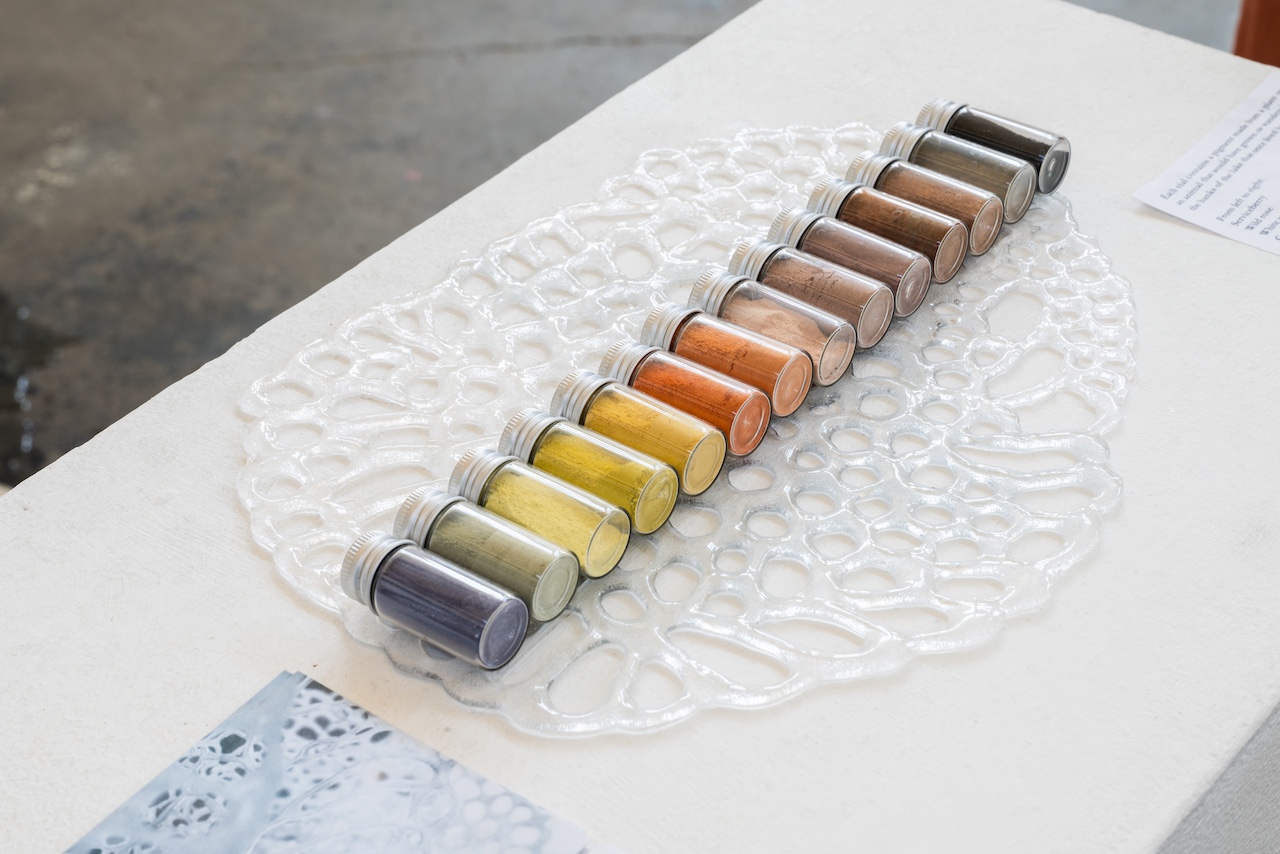
Balch Creek Watershed
Portland, Oregon
Once Guild's Lake — a 250-acre riparian marsh drained for industry in 1913. Memory Lake (2024–2025) refills it drop by drop with foraged pigments and watershed waters.
Once Guild's Lake — a 250-acre riparian marsh drained for industry in 1913. Memory Lake (2024–2025) refills it drop by drop with foraged pigments and…
Related Project
Clackamas River Basin
Oregon
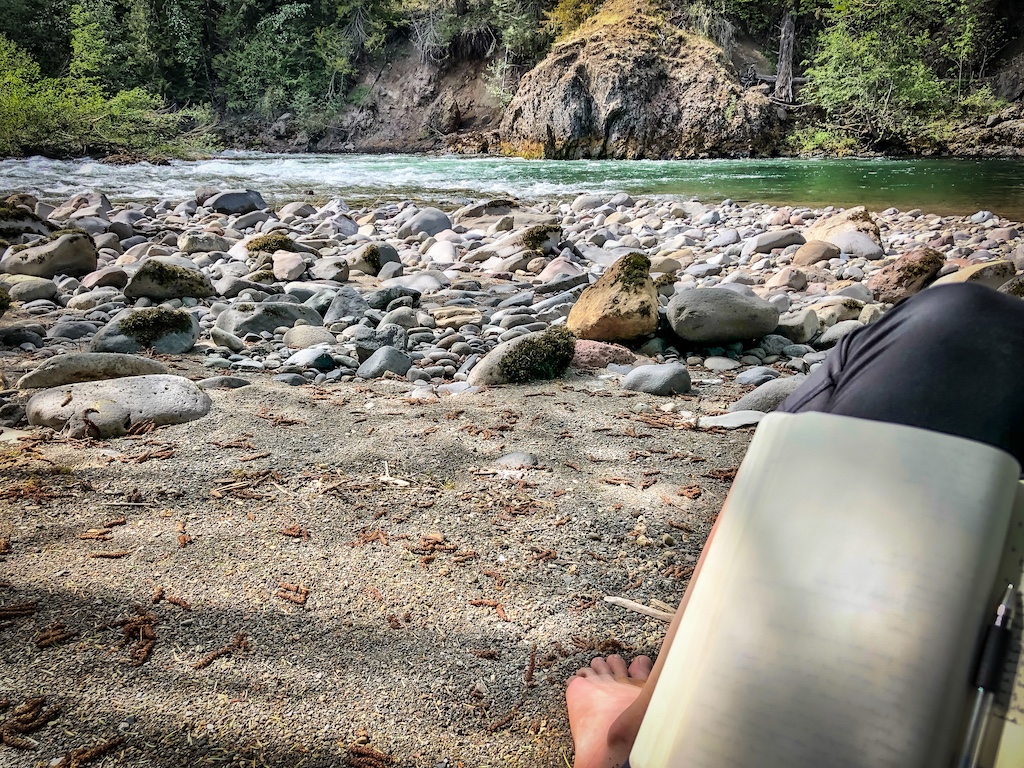
The Clackamas River Basin drains the western slopes of Mount Hood and the High Cascades. In 2020, the Riverside Fire burned over 138,000 acres across the watershed — one of the most destructive fires in Oregon's recent history — leaving altered hydrology, mass soil erosion events, and a dramatically changed plant community. The basin is also deeply implicated in the region's water supply and in the history of Indigenous land use along the Columbia plateau. Foraging and research underway.
The Clackamas River Basin drains the western slopes of Mount Hood and the High Cascades. In 2020, the Riverside Fire burned over 138,000 acres across…
Related Project
Mount Adams
Washington
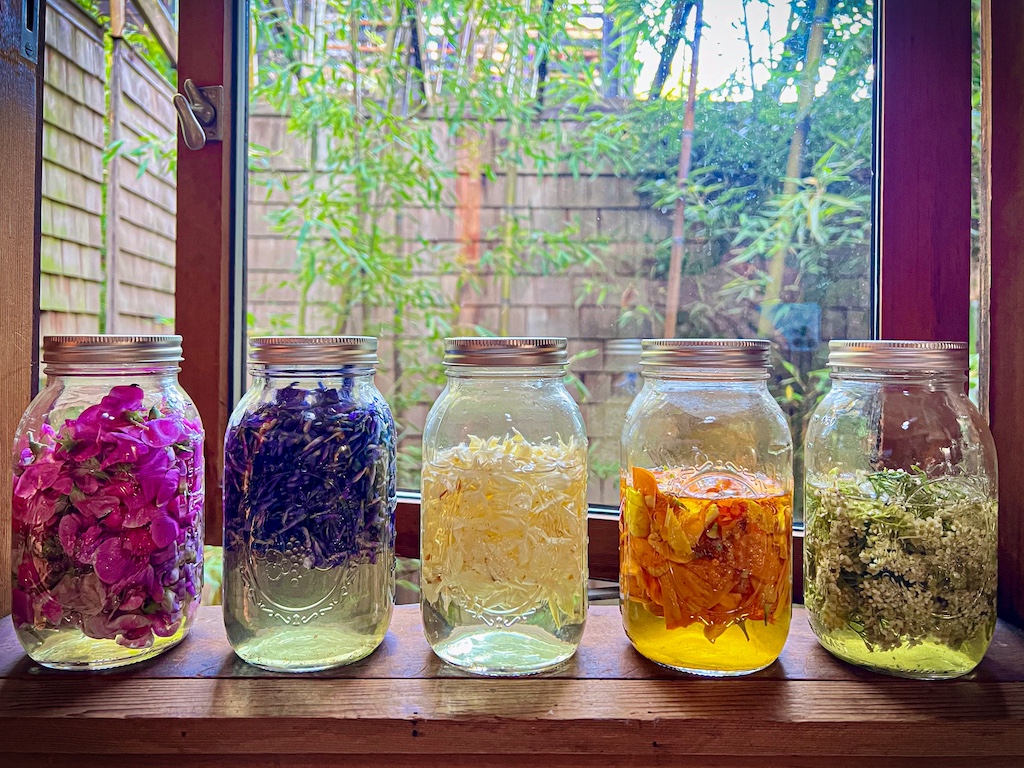
Mount Adams is Washington's second-highest peak and one of the most heavily glaciated volcanoes in the Cascades. Its glaciers are in rapid retreat. The mountain is sacred to the Yakama Nation, whose treaty rights to the mountain's huckleberry fields and surrounding forest have been contested and diminished since the 1855 Yakama Treaty. The convergence of sacred Indigenous land and accelerating ecological loss makes this site a concentrated example of the project's core concerns. Pigment work for this project is in progress.
Mount Adams is Washington's second-highest peak and one of the most heavily glaciated volcanoes in the Cascades. Its glaciers are in rapid retreat. Th…
Related Project
Mount Hood
Oregon
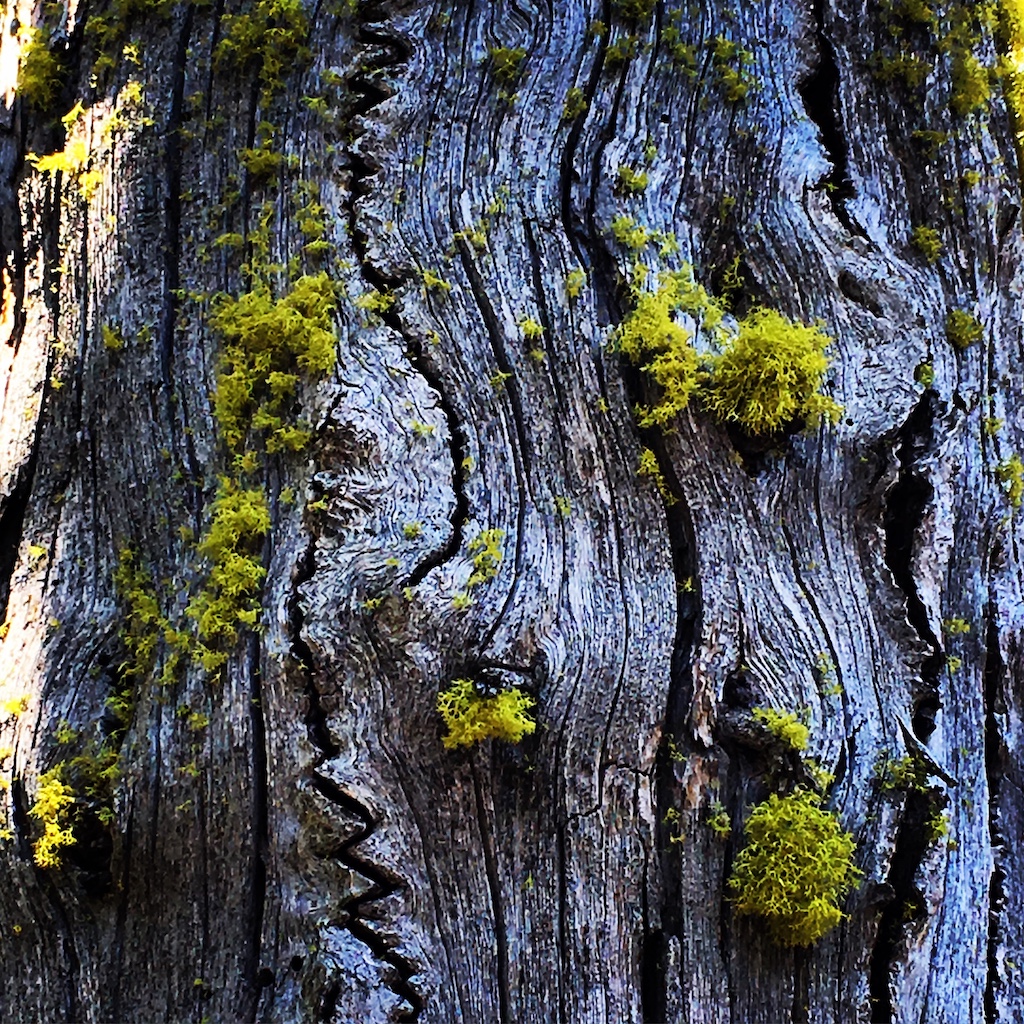
Mount Hood is an active stratovolcano and Oregon's highest peak. Its glaciers are disappearing rapidly: as a co-author of Disappearing Glaciers of the Oregon Cascades (Carlson et al., Annals of Glaciology, 2025), I have spent years documenting this loss through field observation — half of Oregon's named Cascade glaciers have disappeared, almost disappeared, or are critically endangered in the 21st century. The New Earth painting series (2017–2025) began here, its shapes traced from satellite imagery of glacial retreat — that work led directly to Memory of a Larger Mind. New pigment work for this project is in progress.
Mount Hood is an active stratovolcano and Oregon's highest peak. Its glaciers are disappearing rapidly: as a co-author of Disappearing Glaciers of the…
Related Project
Snake River / Hells Canyon
Oregon / Idaho
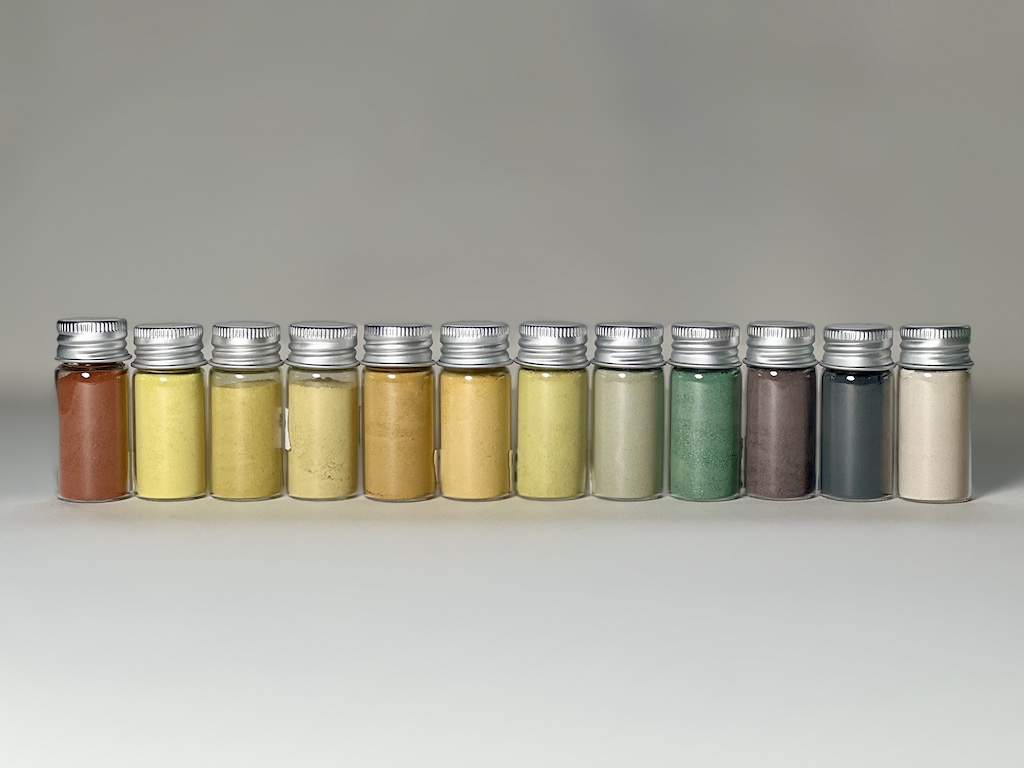
The deepest river gorge in North America holds multiple overlapping histories of violence. In 1877, the Nez Perce were forcibly removed from the Wallowa Valley — ten years before thirty-four Chinese gold miners were ambushed, murdered, and thrown into the Snake River at what is now Chinese Massacre Cove, the worst massacre of Chinese people by whites in the United States. No one was held accountable. Three dams, completed between 1960 and 1967, blocked salmon migration permanently. Snake River salmon are now approaching functional extinction. Pigments made from the region's wildflowers, weeds, rocks, bones, and river water as part of the Palettes of Place / Oregon Origins Project (2024–2025). New work for this project is in progress.
The deepest river gorge in North America holds multiple overlapping histories of violence. In 1877, the Nez Perce were forcibly removed from the Wallo…
Related Project
Willamette River Basin
Portland, Oregon
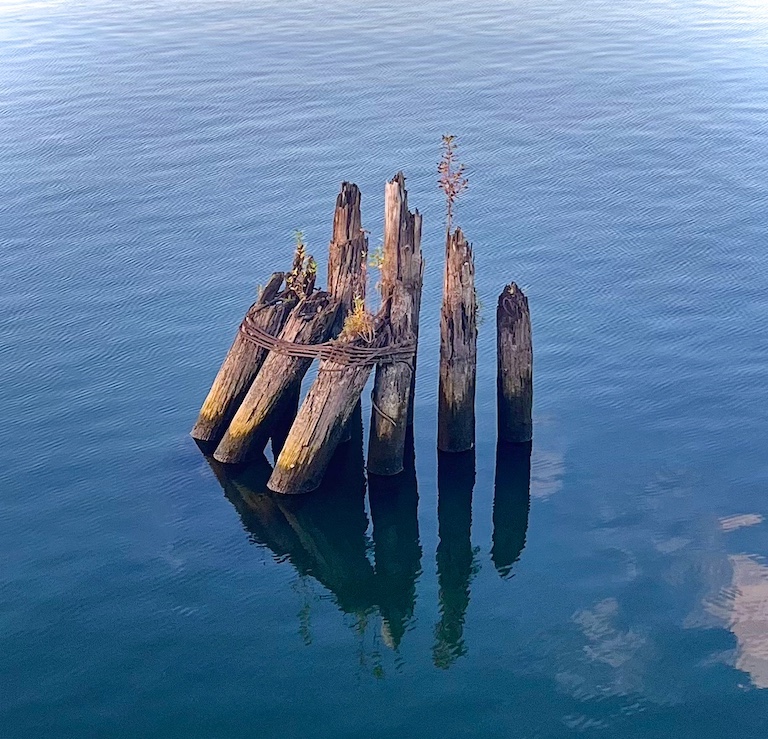
The Willamette River, which runs through the heart of Portland, is a federally designated Superfund site — one of the largest in the country — due to decades of industrial contamination including PCBs, heavy metals, and pesticides concentrated in the river sediments. The Portland Harbor Superfund site spans 10 miles of the lower river. The Willamette also flows through land historically belonging to the Kalapuya people, whose removal the Oregon Donation Land Claim Act of 1850 formalized. Foraging and research underway.
The Willamette River, which runs through the heart of Portland, is a federally designated Superfund site — one of the largest in the country — due to…
Related Projects
Pacific Northwest — Japanese American Incarceration
Minidoka Camp
Jerome County, Idaho
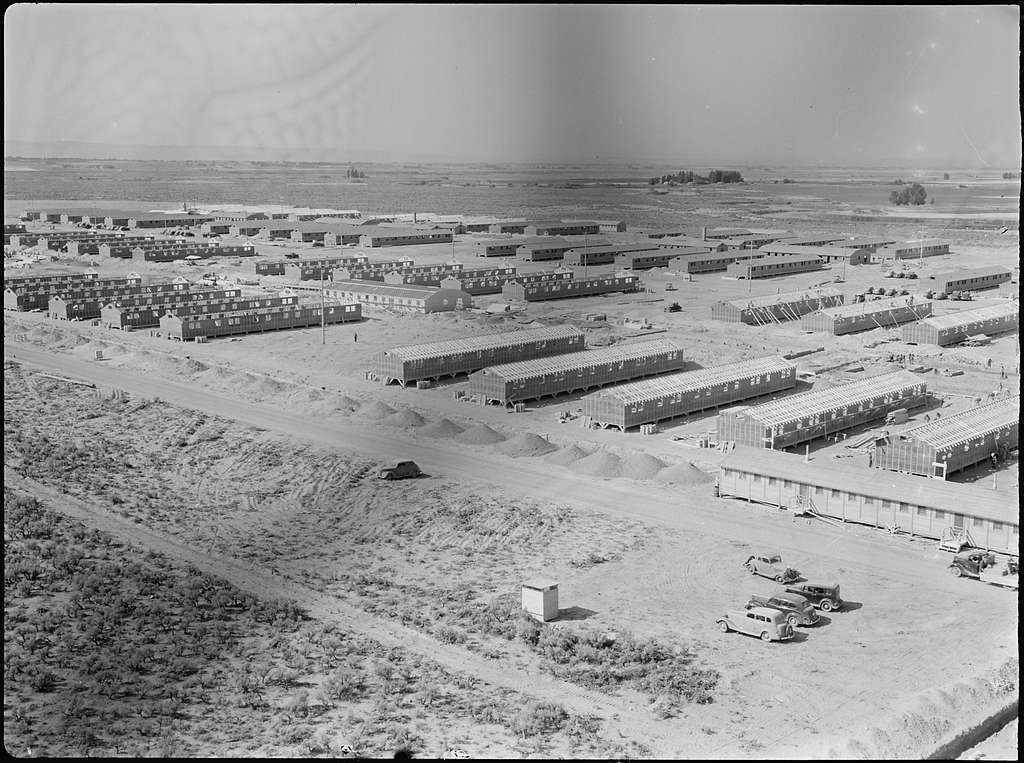
Minidoka War Relocation Center operated from 1942 to 1945, incarcerating over 13,000 Japanese Americans. Located on high desert scrubland in the Snake River Plain, Minidoka held people primarily from Seattle, Portland, and western Oregon. Conditions were harsh: extreme heat and cold, dust storms, inadequate shelter. A National Historic Site since 2008. The camp's sagebrush flats and volcanic basalt mesa now hold the remains of the barracks, gardens, and ponds that incarcerees built and tended as acts of survival and cultural continuity. Foraging and research underway.
Minidoka War Relocation Center operated from 1942 to 1945, incarcerating over 13,000 Japanese Americans. Located on high desert scrubland in the Snake…
Nyssa Camp
Nyssa, Oregon
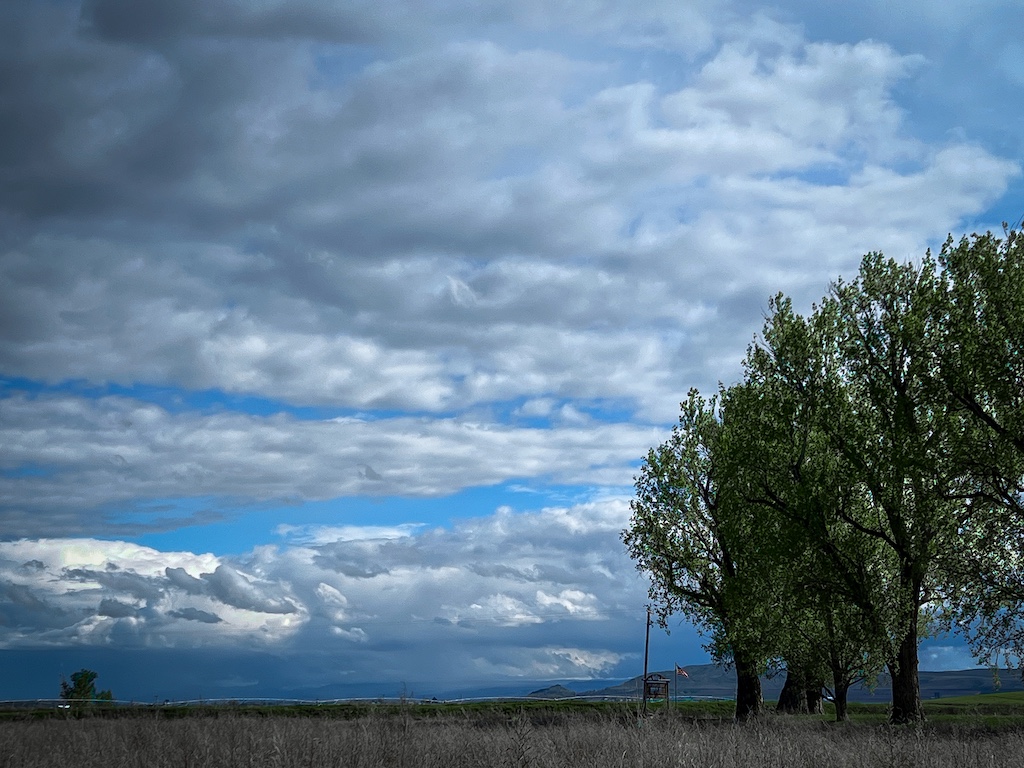
Nyssa, in eastern Oregon’s Treasure Valley, was the site of the first Japanese American farm labor camp of World War II. From May to November 1942, incarcerees recruited mainly from the Portland Assembly Center worked the sugar beet fields. Repurposed whiskey distilleries and industrial refineries converted the raw sugar beet juice into ethanol, which served as a foundational chemical precursor for manufacturing munitions and weapons. The labor camps represent one of the least-documented aspects of Japanese American incarceration — the use of imprisoned people as agricultural labor. Workers volunteered, but they were choosing from inside confinement. Their labor saved Malheur County’s 1942 sugar beet crop. Foraging and research for this site is underway.
Nyssa, in eastern Oregon’s Treasure Valley, was the site of the first Japanese American farm labor camp of World War II. From May to November 1942, in…
Portland Assembly Center
Pacific International Livestock Exposition, Portland
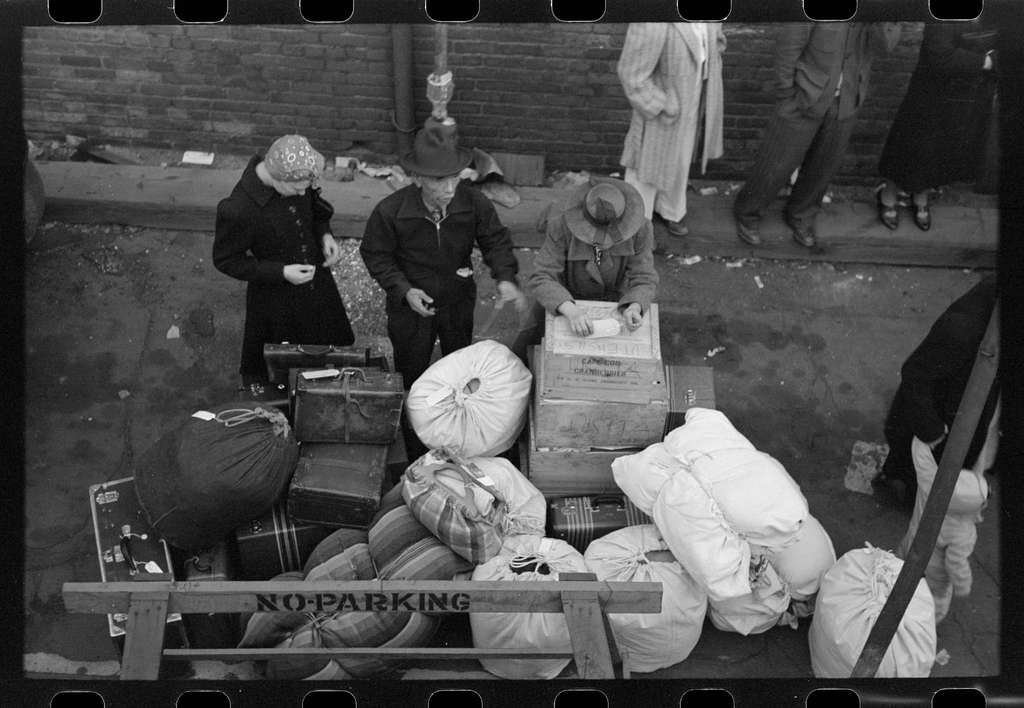
The Pacific International Livestock Exposition grounds in North Portland served as an Assembly Center during World War II, used by the U.S. government to incarcerate over 3,600 Japanese Americans between May and September 1942 before their forced transfer to inland incarceration camps. People were held in livestock stalls. The site operated under Executive Order 9066, which forcibly displaced approximately 120,000 people of Japanese ancestry from the West Coast. Foraging and research underway.
The Pacific International Livestock Exposition grounds in North Portland served as an Assembly Center during World War II, used by the U.S. government…
Tule Lake Camp
Modoc County, California
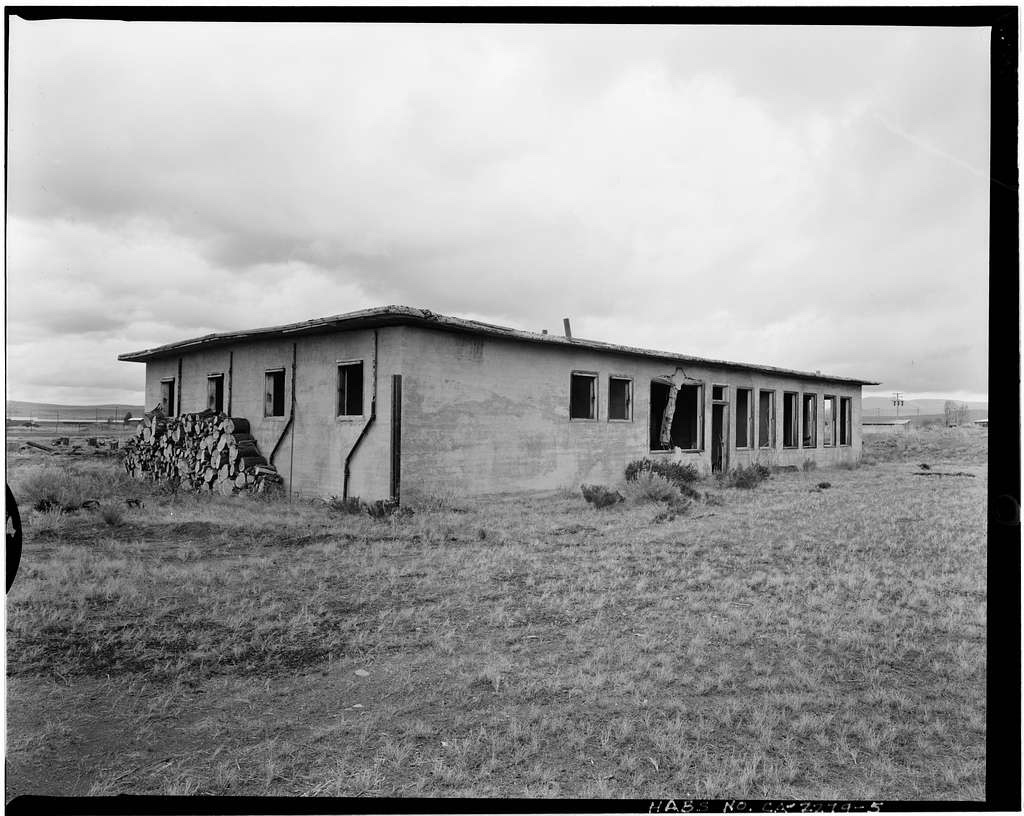
Tule Lake War Relocation Center and Segregation Center operated from 1942 to 1946 — the largest, most heavily guarded, and most contested of the ten WRA camps. Those who answered "no" to loyalty questionnaire questions, who protested conditions, or who were deemed disloyal were transferred here from other camps. At its peak, over 18,700 people were held behind barbed wire and military tanks. Tule Lake became a site of organized resistance and strike actions; it also became the site of renunciation of citizenship under coercive conditions. The surrounding landscape — a drained lakebed of volcanic tuff and sagebrush — holds this layered history of forced displacement, resistance, and contested belonging. Foraging and research underway.
Tule Lake War Relocation Center and Segregation Center operated from 1942 to 1946 — the largest, most heavily guarded, and most contested of the ten W…
Europe — Inherited Memory
Auschwitz-Birkenau
Poland
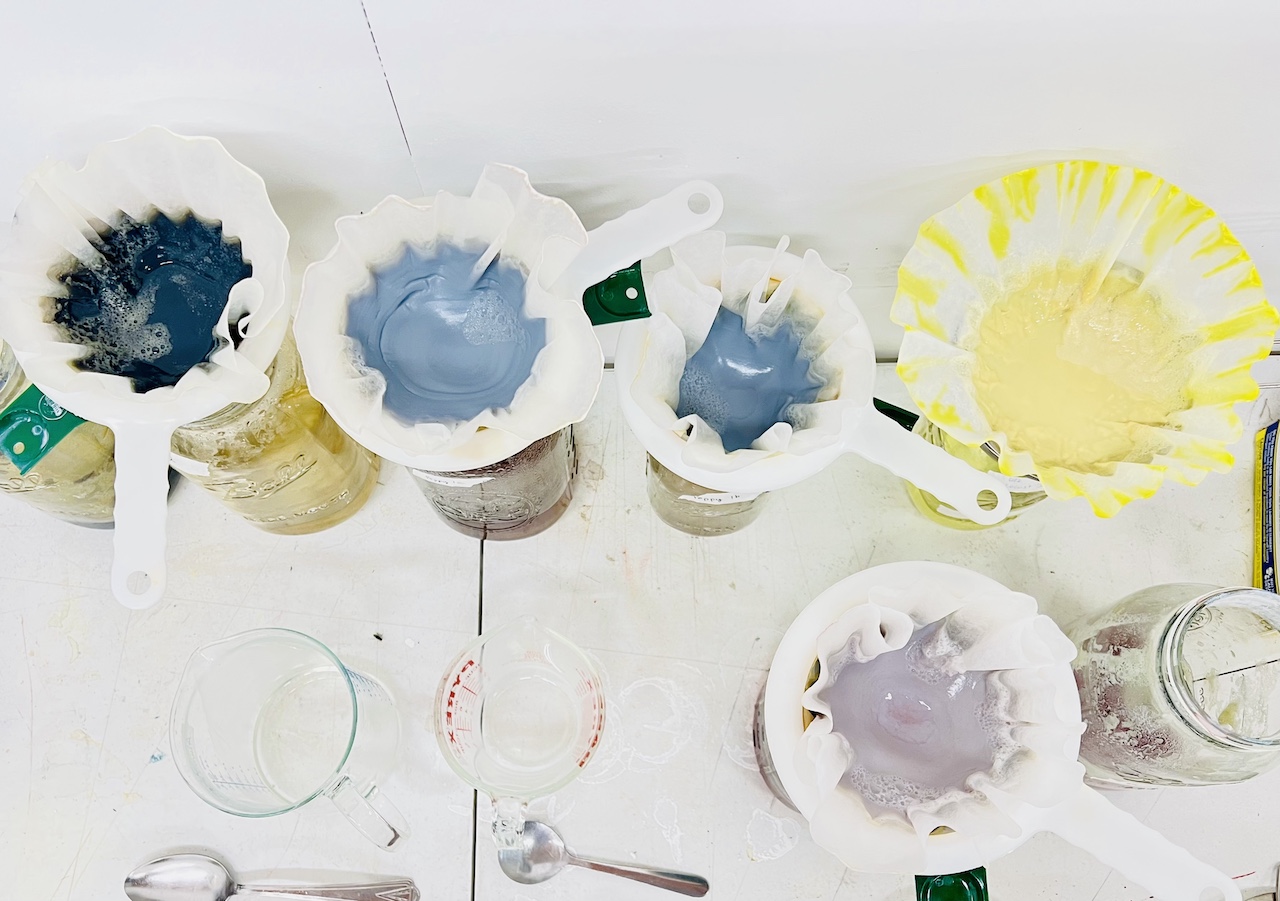
Former Nazi death camp and extermination center. Both grandmothers survived Auschwitz. The camp at Birkenau was built as an extension — its iron scraps and limestone enter into dialogue with materials from the Arctic and Oregon. Pigments gathered from the sites bear witness to what written records cannot fully hold.
Former Nazi death camp and extermination center. Both grandmothers survived Auschwitz. The camp at Birkenau was built as an extension — its iron scrap…
Related Projects
Cluj
Romania
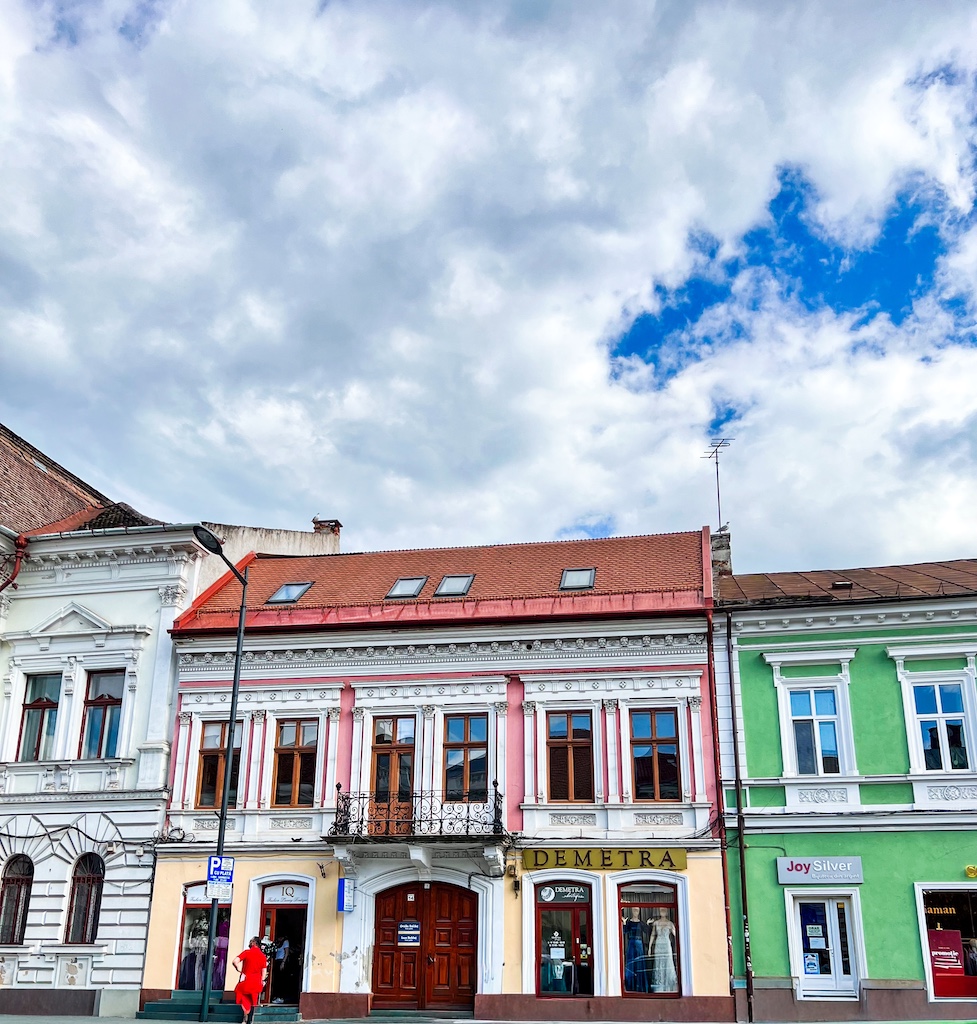
Small city in Transylvania where my matrilineal ancestors lived for generations. Site of research, photography, and pigment-gathering connected to my family history of forced displacement.
Small city in Transylvania where my matrilineal ancestors lived for generations. Site of research, photography, and pigment-gathering connected to my…
Related Projects
KL Płaszów
Poland
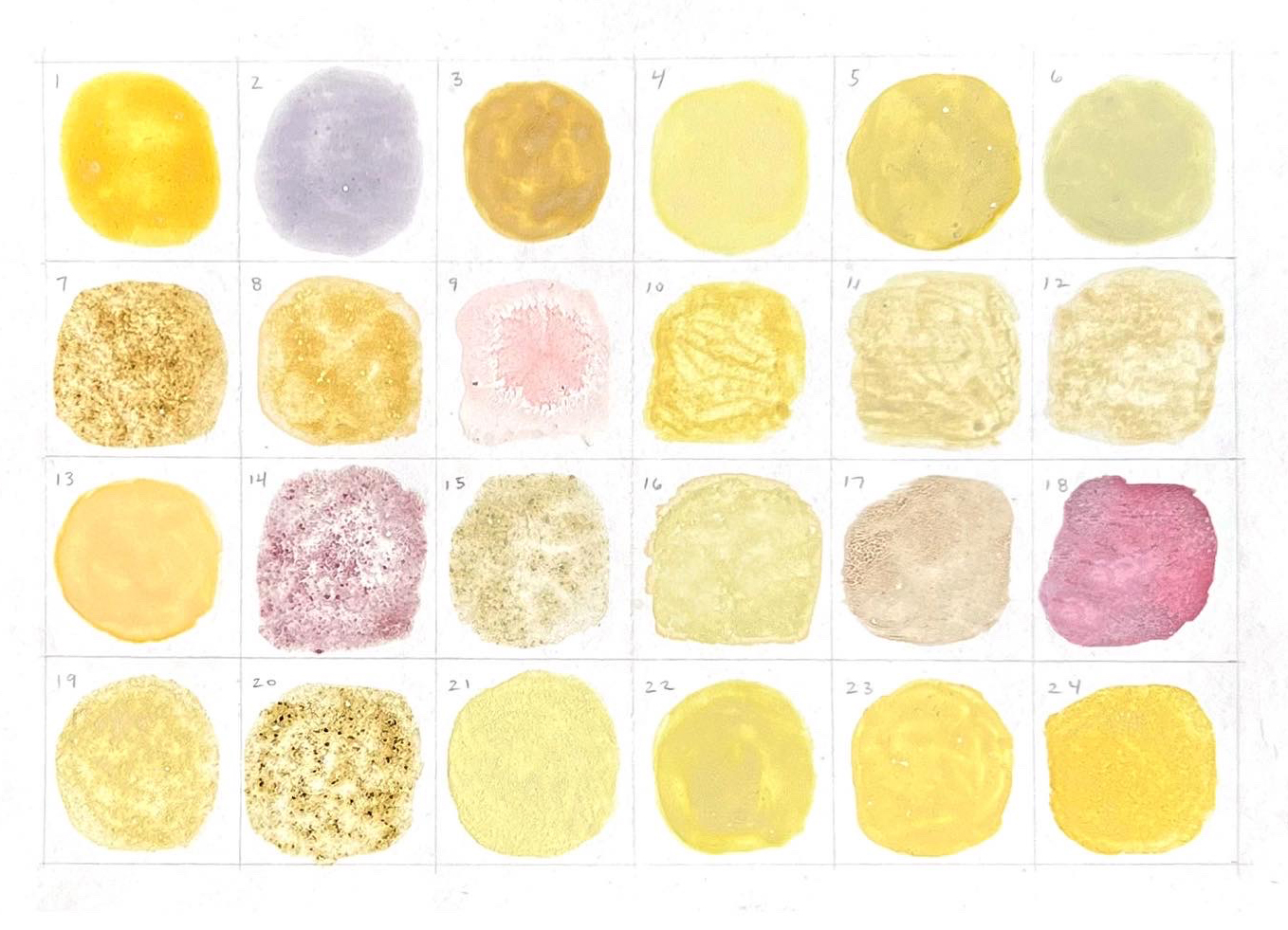
Former concentration and forced labor camp in which all four of my grandparents were imprisoned. Site of ongoing pigment-making workshops in collaboration with FestivALT. Pigments sourced: ground elder, crown vetch, limestone, iron.
Former concentration and forced labor camp in which all four of my grandparents were imprisoned. Site of ongoing pigment-making workshops in collabora…
Related Projects
Vermont — Family Land & Memory
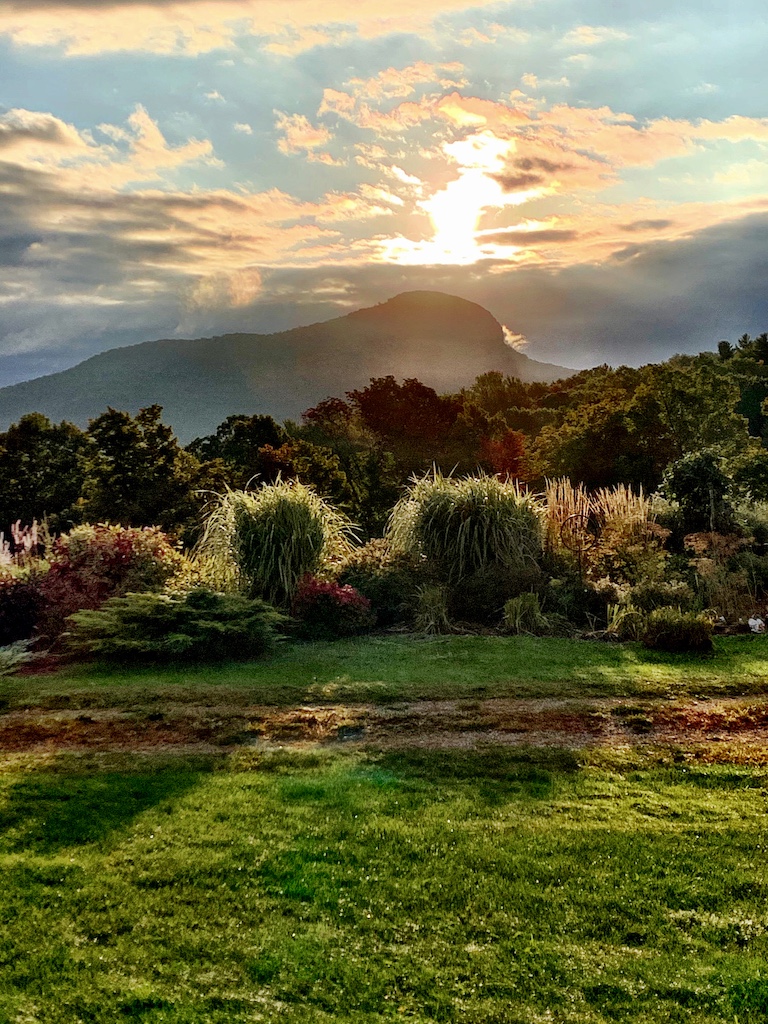
Prairie Hill
Castleton, Vermont
Forty acres of meadow and forest — a former apple orchard killed by invasive fungus. Pigments made from the meadow, which is critical bird habitat, and from the artist's mother's flower garden, a spectral place made in the company of her memories.
Forty acres of meadow and forest — a former apple orchard killed by invasive fungus. Pigments made from the meadow, which is critical bird habitat, an…
Related Projects
Work by medium
Site-Specific Work
Installations created in direct response to specific sites, using materials gathered from those places.
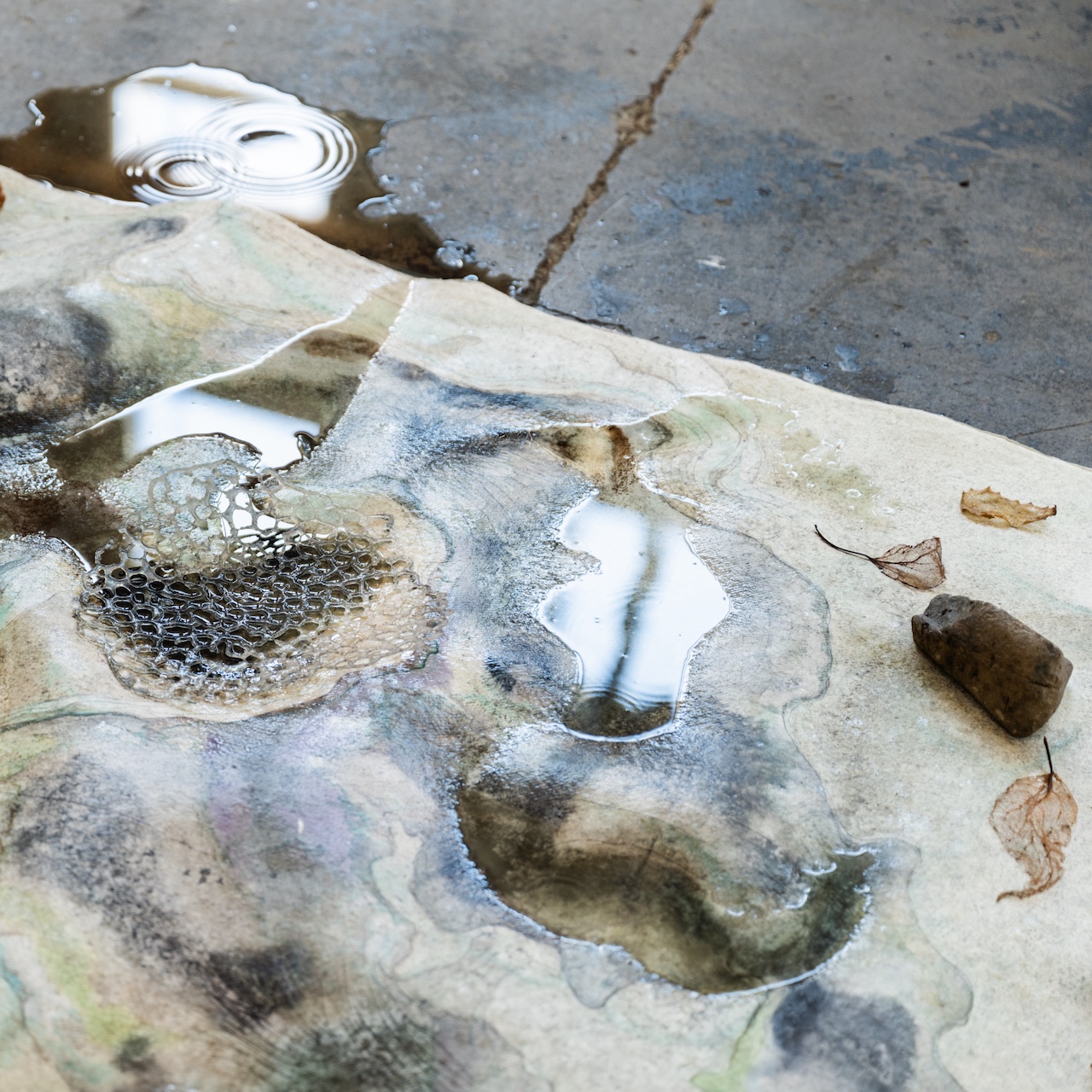
Memory Lake
Cast glass forms modeled after lace made by the artist's grandmothers, suspended above a map of the disappeared Guild's Lake. Pigments and waters foraged from the former lake's watershed drip through the glass forms and fall onto the map, refilling the lake drop by drop. Tin can, handmade cotton paper, glass vials.
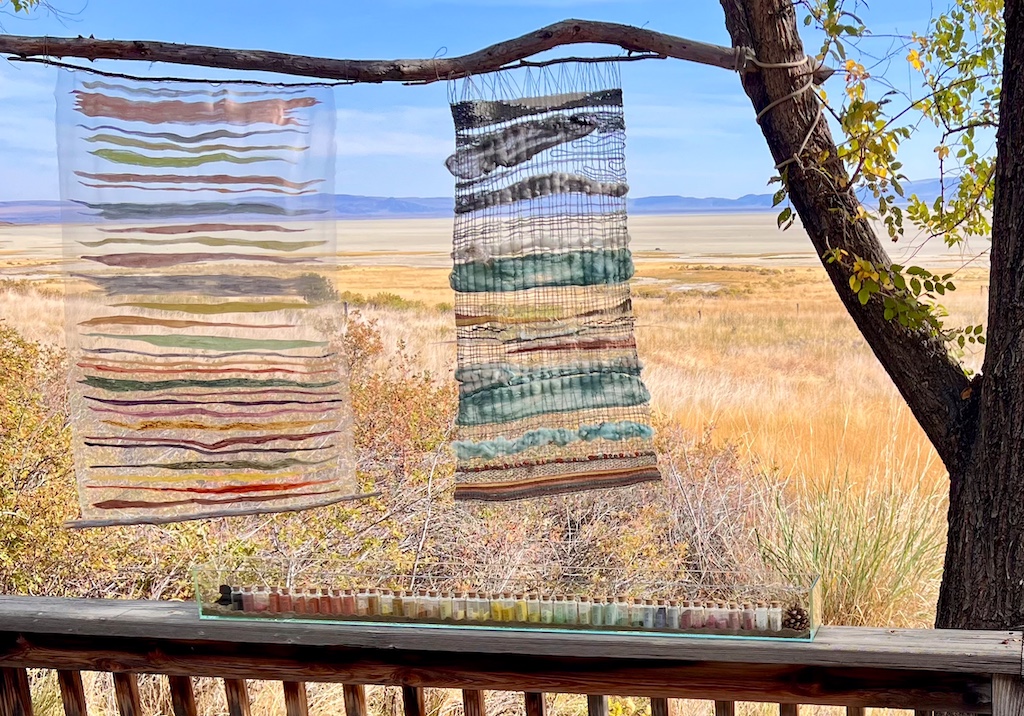
Ana Springs Installation
A site-specific installation at Ana Springs drawing on the Jewish folk practice of feldmestn (thread-measuring of graves during communal crisis) as a structural and ritual framework for making the scale of ecological loss bodily and measurable.
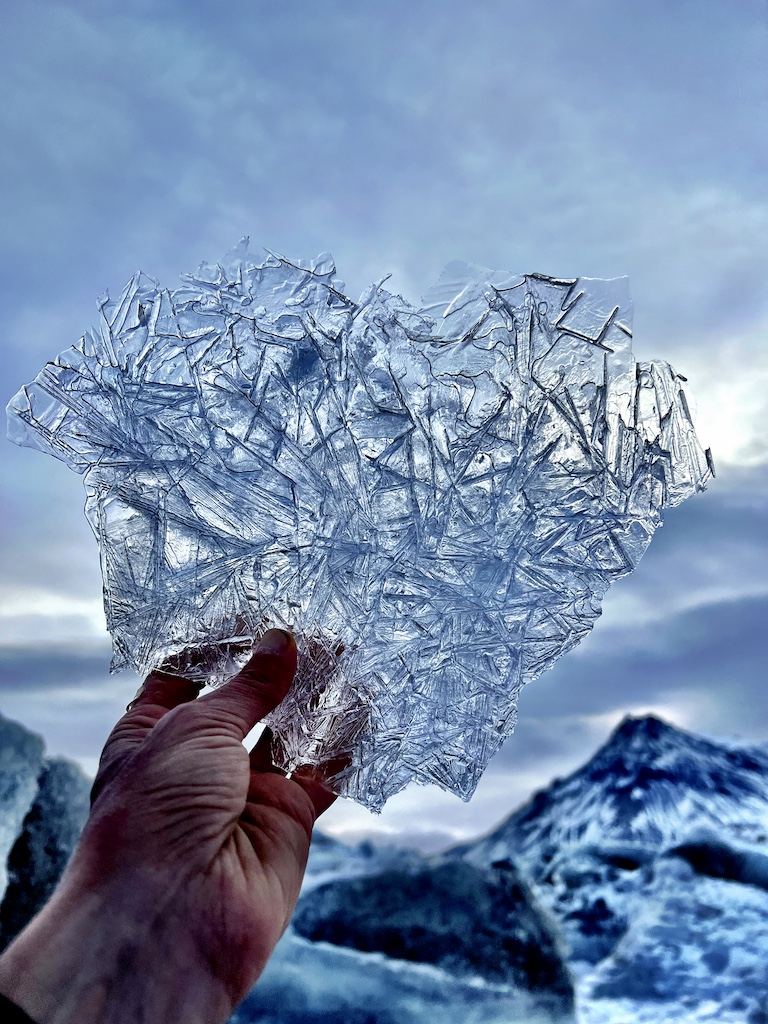
Arctic Drawings and Found Drawings
Drawings made with rocks on rocks — using stones from the site as both implement and surface — and found drawings: marks made by the place itself, by glacial scoring, frost patterning, lichen growth, and bone. A practice of listening to what the landscape has already written.
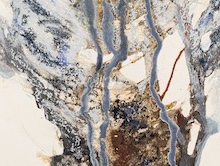
Hells Canyon / Snake River
Paintings made with Hells Canyon wildflowers, weeds, rocks, and Snake River water. Exploring overlapping histories of Indigenous dispossession, racial violence, and ecological collapse in the deepest river gorge in North America.
Books
This project’s books form an ode, a poem of address. An ode begins by addressing a person, thing, or idea. It then voyages through inner and outer worlds and returns to address its subject again, reflecting on what the journey has changed. This ode addresses memory: a twofold memory of earthly and cultural desecration. It asks what grief can become.
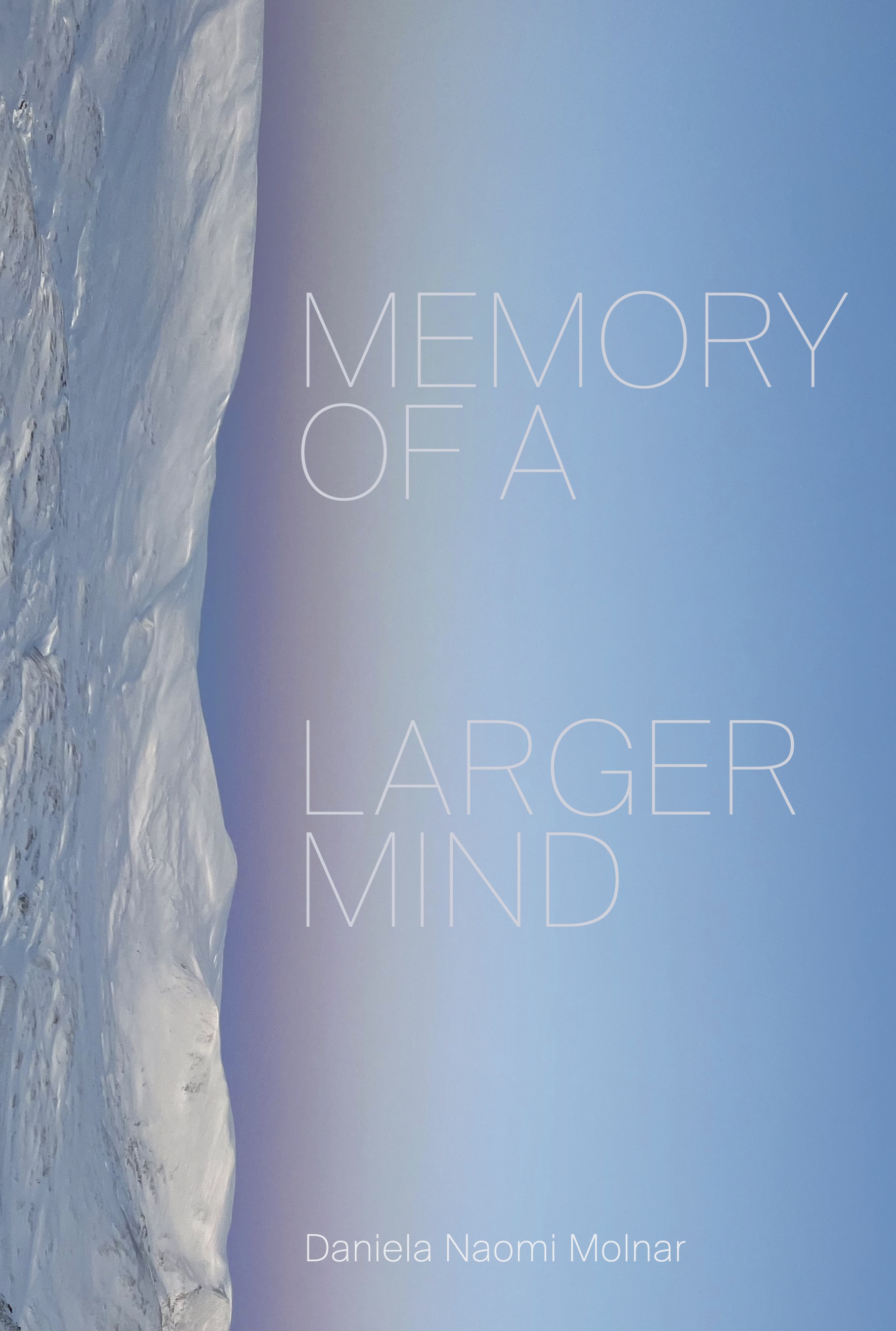
Memory of a Larger Mind
Poems written sitting on glaciers as they disappeared. Poems made of movement: ice to water to light; grief to love to joy to grief. A book made of questions. Endorsed by: Marcia Bjornerud (geologist), Julie Carr (poet), Natalie Eilbert (poet), and Nina Elder (visual artist).
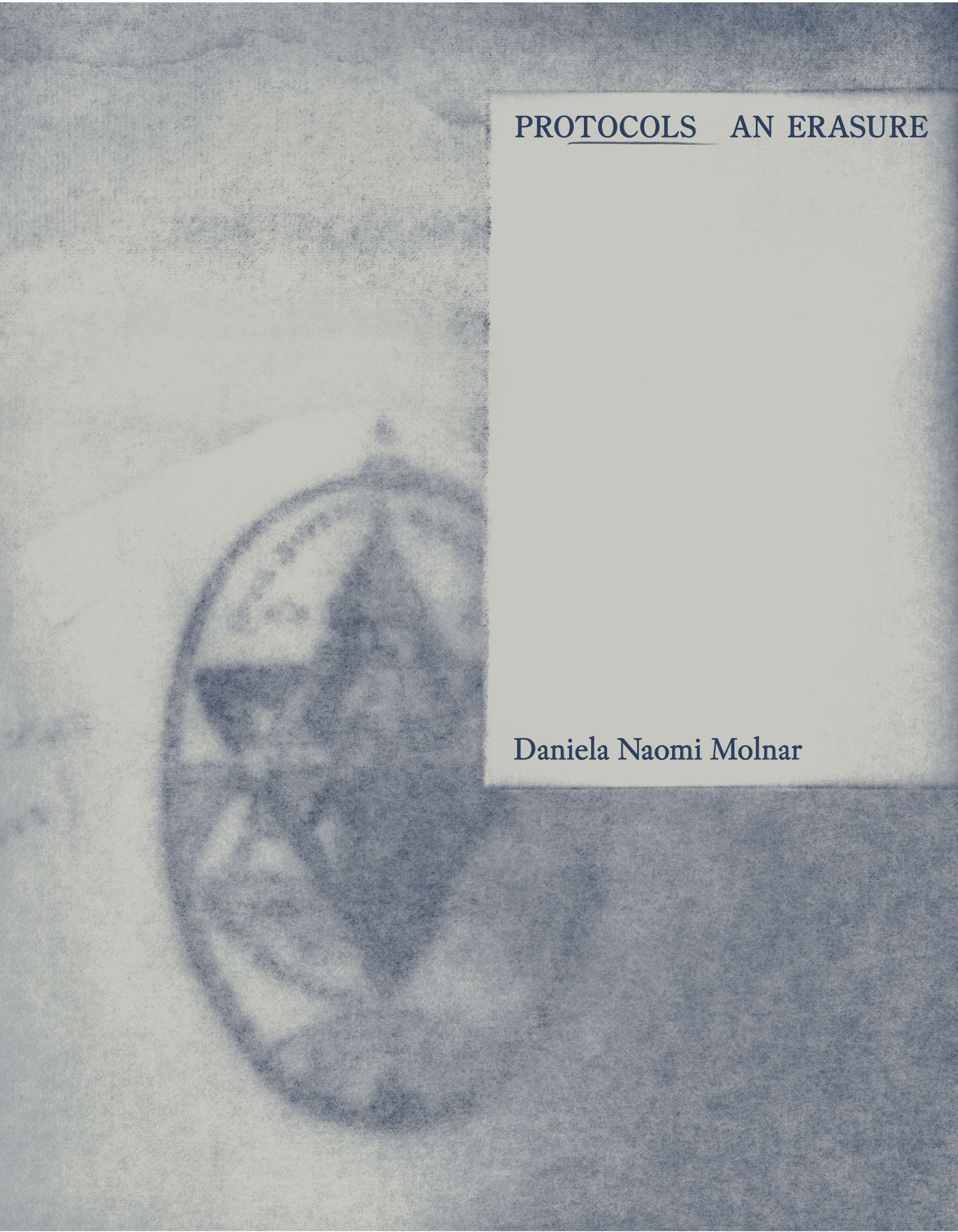
Protocols: An Erasure
An erasure of The Protocols of the Elders of Zion transformed into a poem contemplating power and finding its source not in political leaders but in each of us and in the earth. Finalist, National Jewish Book Award. Reviewed in Harvard Review, LA Review of Books, Haaretz.
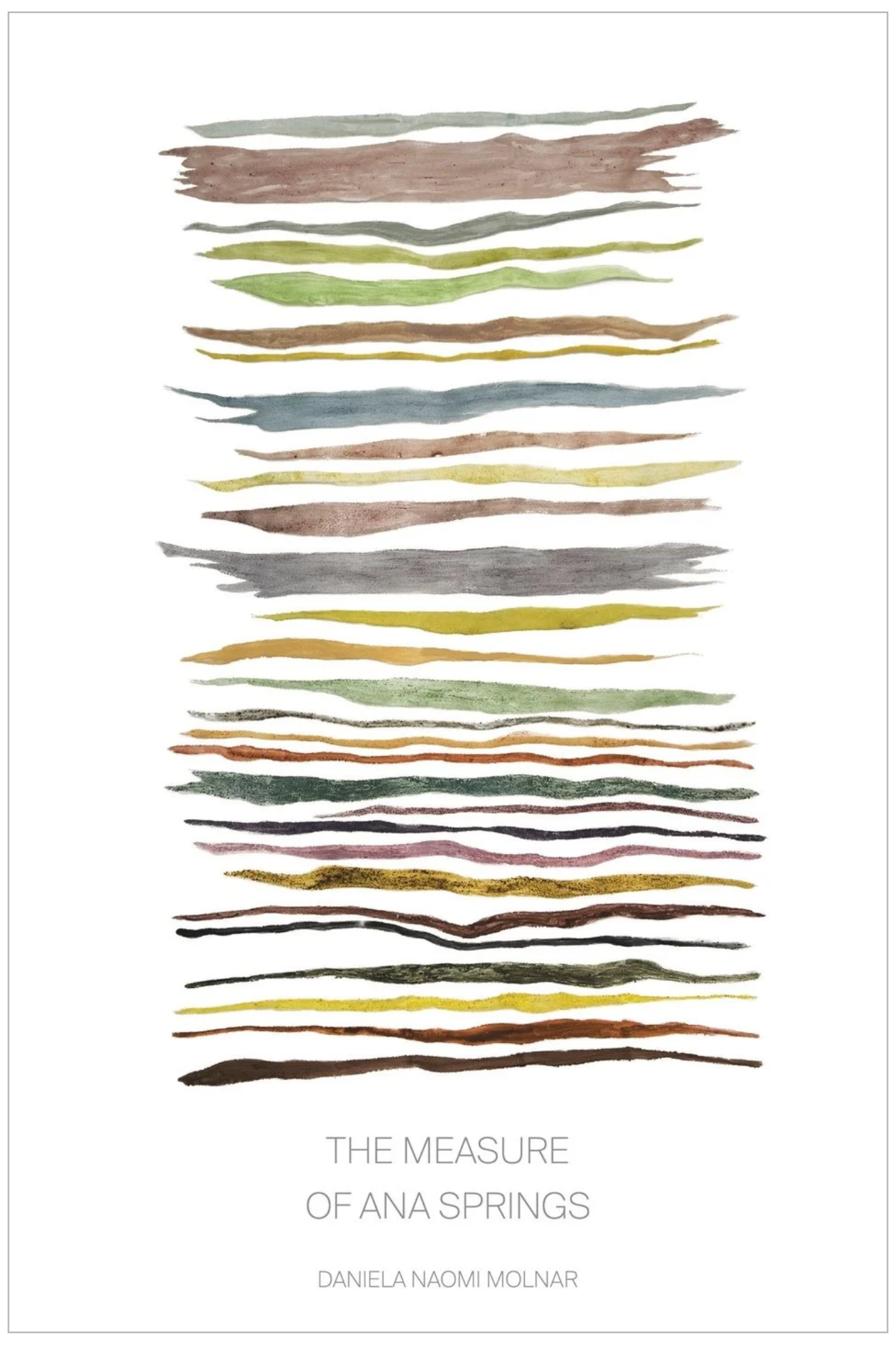
The Measure of Ana Springs
An elegy for a spring that is also an ode to water, birds, and color. It holds an essay, a sequence of poems, and images of the place and the making of the work.
Light / Remains
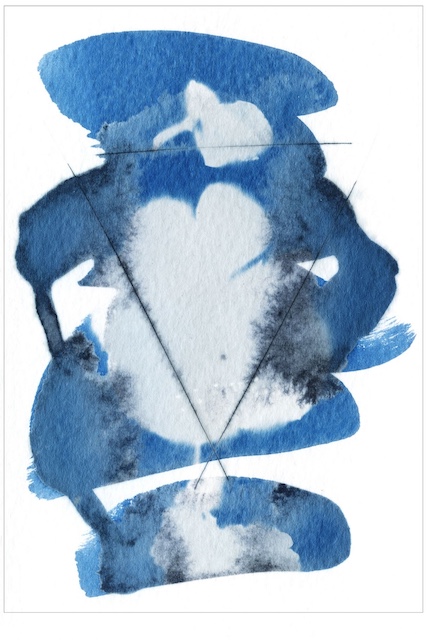
Cyanotypes, poems, and essays exploring geologic and intergenerational time. Featuring images from the Light / Remains visual series (2020–2022).
Workshops
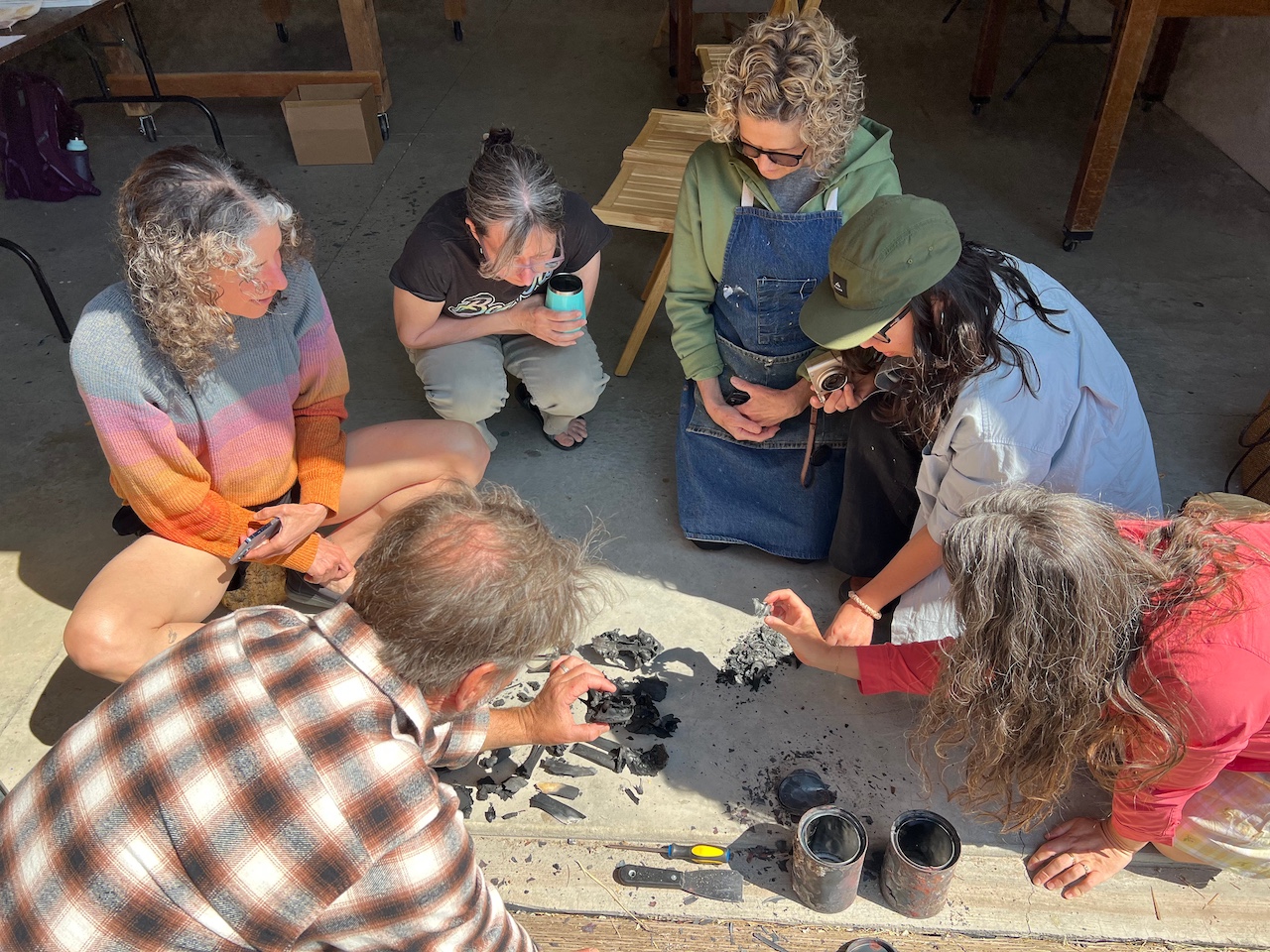
Community pigment-making workshops are open to everyone — no special skills required. Participants gather and transform materials from specific sites into pigments, while engaging in facilitated and spontaneous conversations about memory, inheritance, identity, and place.
Community Pigment-Making Workshops
Open community workshops in which foraged materials from project sites are transformed into natural pigments. Always full of camaraderie and laughter. Events have taken place in Kraków, Portland, Summer Lake, and elsewhere.
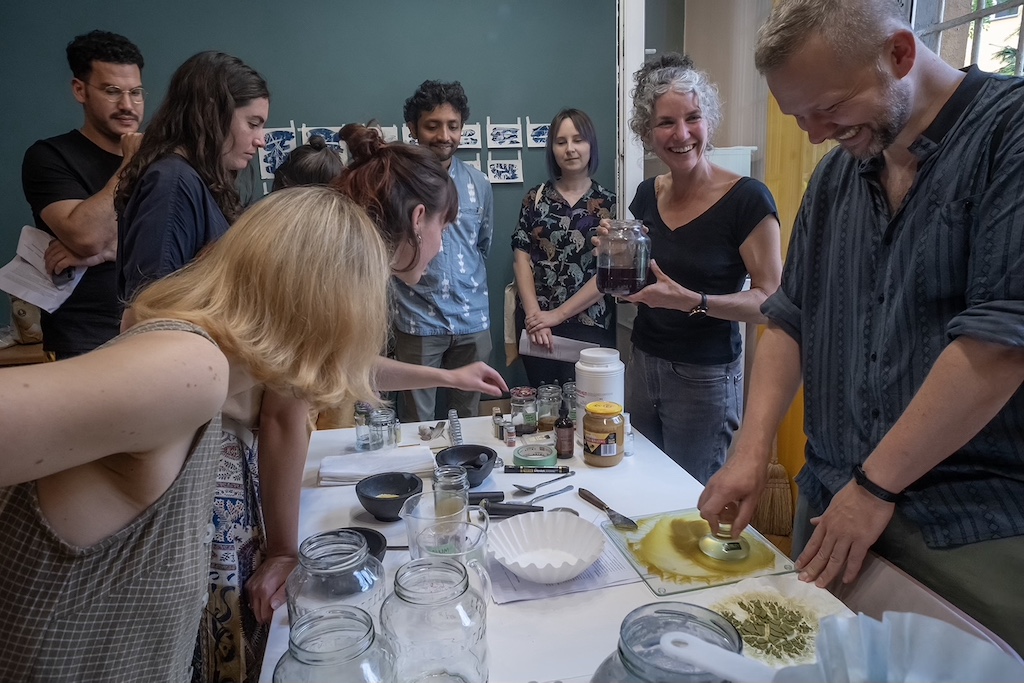
"In this Place" — FestivALT collaboration
An ongoing collaborative project with FestivALT and the community of Kraków. Pigment-making workshops at KL Płaszów, building on the community garden of medicinal plants established in 2018, in which 18 plant species were relocated from Płaszów and tended by neighbors.
Paintings & Cyanotypes
Paintings and cyanotypes made with natural pigments foraged from project sites. Many works draw on pigments from multiple sites simultaneously — pressing Arctic stone against Płaszów limestone, mixing iron from an old Arctic hunting camp with iron scraps from a Birkenau bunker.
echo)zero(stone
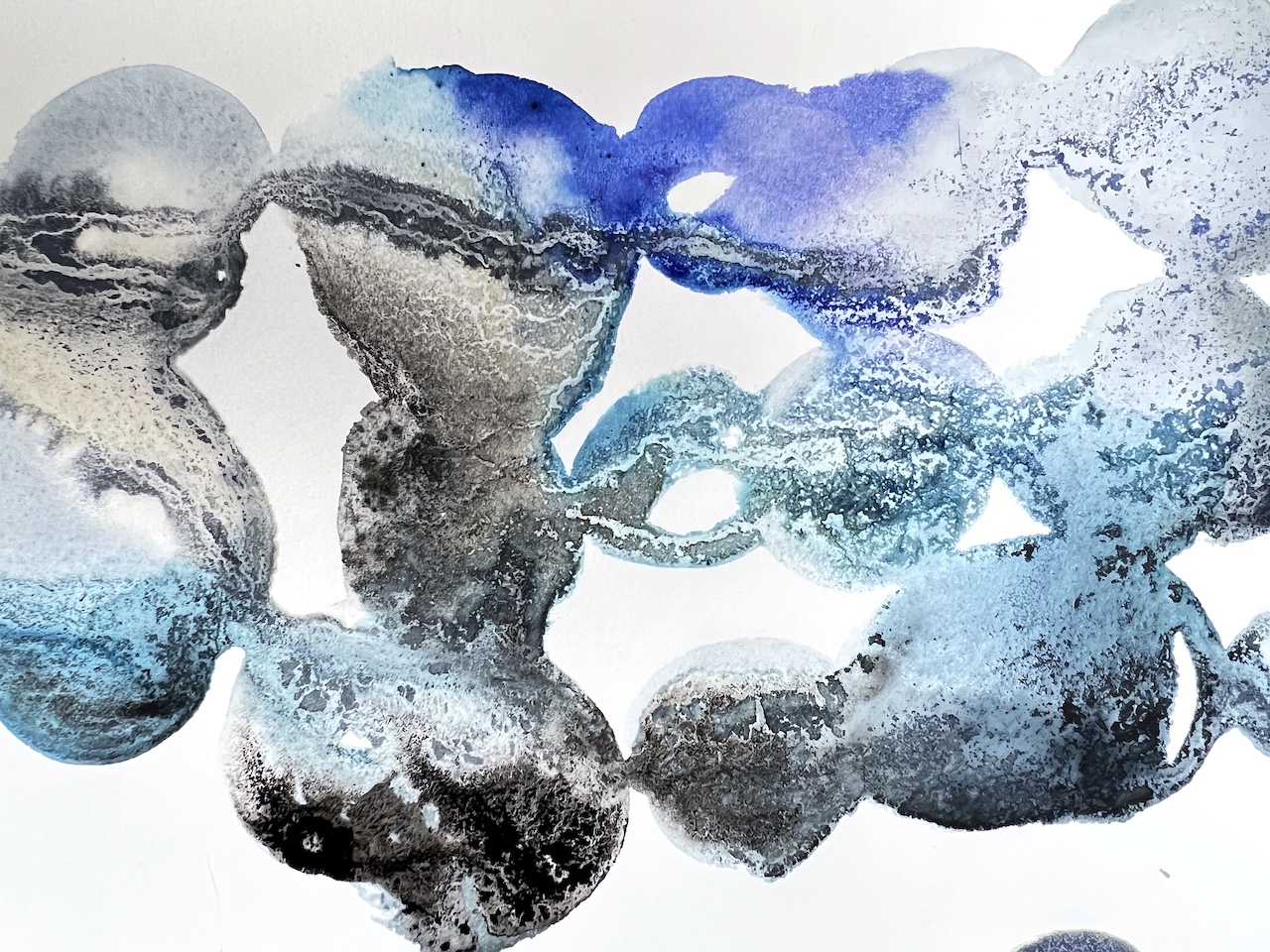
Circular paintings made of stones, flowers, and wild waters — each circle an ecosystem in flux, a zero of infinite and failed logic, a homeward gesture cast backward and forward in time.
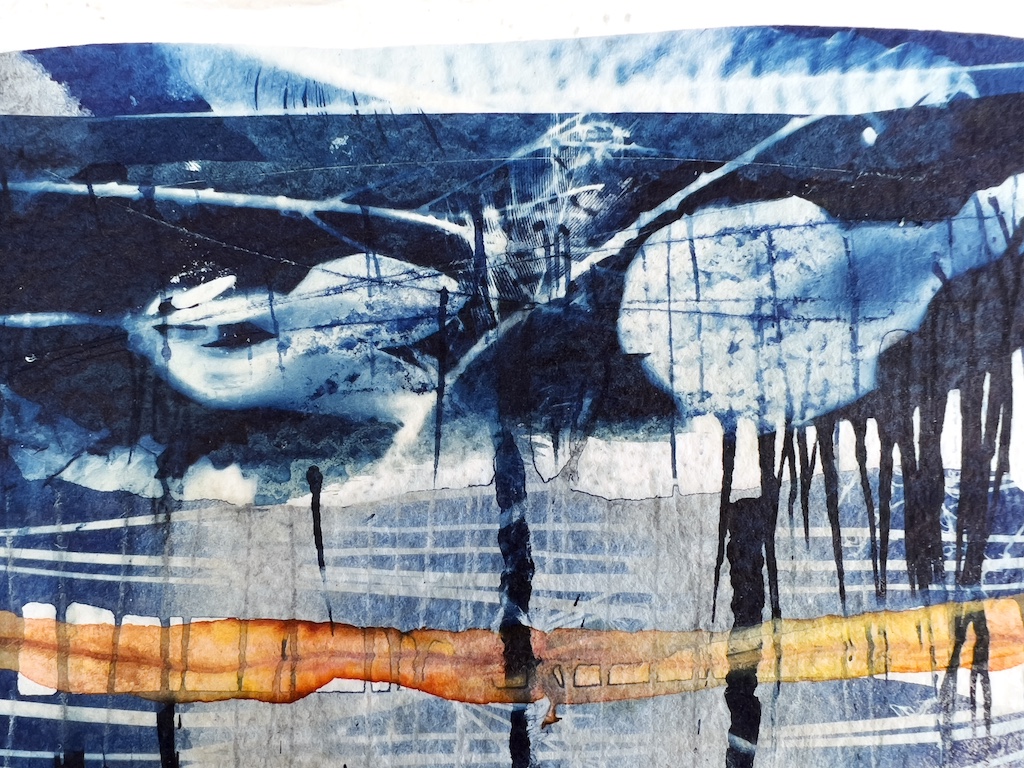
Light / Remains — cyanotype series
A roving series of cyanotypes exploring geologic and intergenerational time. Its primary pigment, Prussian Blue, is the source from which prussic acid — the active ingredient in Zyklon B, the lethal gas used in Nazi death camps — was first drawn.
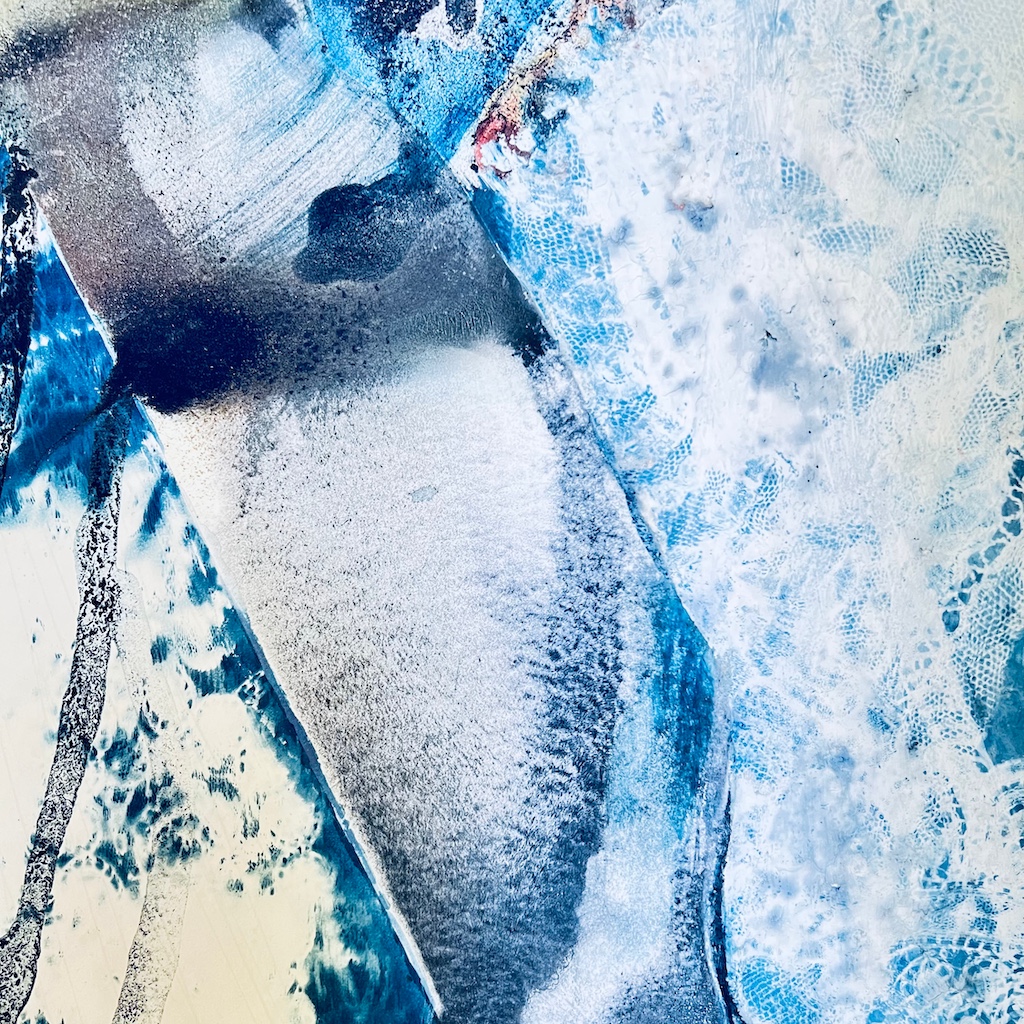
Paintings and Cyanotypes: Various Sites
Paintings and cyanotypes made with materials gathered at project sites — pigments, waters, and ancestral lace pressed into pigment on paper. Sites span KL Płaszów, Auschwitz-Birkenau, Cluj, Prairie Hill, Clackamas and Willamette watersheds, Mount Hood, Mount Adams, and the high Arctic.
Poem Films
Poem films weave together moving image, language, and sound.
Additional poem films in production
More poem films are in development as part of this project.
Memory of a Larger Mind : Part 7 : New Blurs
A poem film from Memory of a Larger Mind (Omnidawn, 2026). This is the final poem in the book. I wrote the first draft in the Arctic then edited it in a friend’s off-grid cabin in rural southern Colorado in early winter. The light waned in the sky around me as light in the poem grew. Memory of a Larger Mind consists of poems written outdoors, in the presence of disappearing glaciers—a book of memory, grief, and transformation.
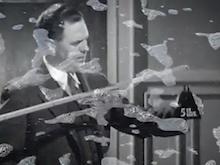
Protocols 14 + 15
A poem film drawn from PROTOCOLS: An Erasure (Ayin Press, 2025). Published in Otiyot, August 2025.
A film interpretation of my erasure poem PROTOCOLS. I removed words from The Protocols of the Elders of Zion to shift its focus from oppressive power to a power we already possess: “the mesh of all of us.” Drawing on old scientific educational videos, the wild animals, seeds, plants, planets, and water in this film are each “an education in deviation,” an invitation to swerve away from certainty and control toward a seed-like hope rooted in change and openness.
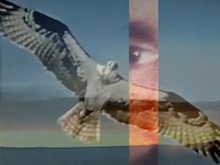
Chorus 37
A film interpretation of “Chorus 37,” from my first book, CHORUS (Omnidawn, 2023). One of the book’s final poems, it lassos the book’s unanswerable questions about identity, inheritance, and place. What is desire for? Where should I be? What to do with my memories? The speaker asks, “Can a hunger / be so lucid / that it is its own reward?” Footage of costumed children, my own birthday party when I was turning six, a hawk in flight, and a domestic interior refracts across a sunset, while a narrow vertical band holds a watching eye.
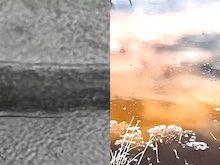
Dream Vein / Story
A film of a poem from a manuscript in progress, part of a cycle of epic love poems. Drawing on climate science, physics, and botany, the poem addresses a planetary biome and a person, both struggling to survive against steep odds, both tenuous, fragile, and tenacious. A split screen pairs images of circulation with images of imagination. How does each determine the other?
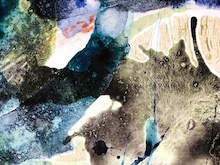
Poems of Time and Space
Take a deep breath and slow down. These meditations explore how text can move from two dimensions into four. They belong to a series of visual-verbal poems meant to be read non-linearly, in multiple ways at once, focused on perception, water, technology, and how to be open to love.
WEB 6 (part 1 and 2) · and nobody saw and nobody knew what to say
Sculptures
Sculptures made from materials gathered at project sites.
Sculptures
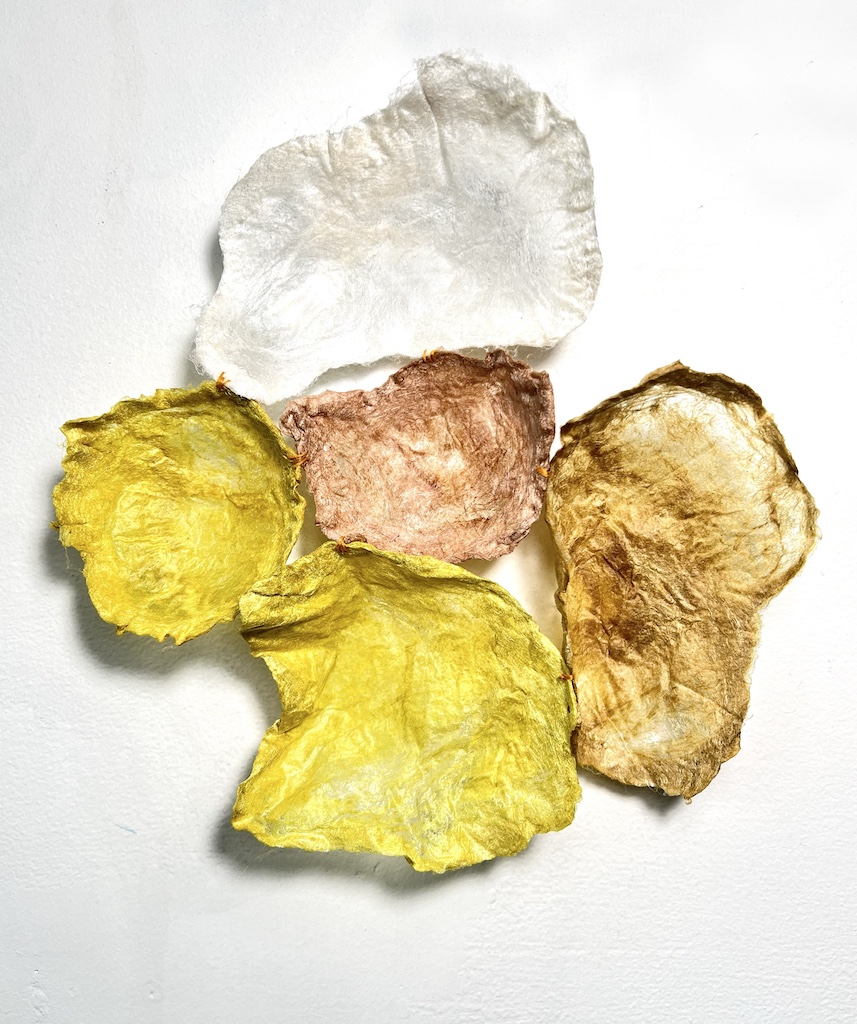
Several sculptures are part of this project. Sculptures made from materials gathered at project sites — silk cocoon cakes dyed with natural flower and mineral pigments, cast glass, bone, stone, and thread.